

Why Do Guys Lose Interest After They Sleep With You? [11 Reasons]
You’ve experienced that confusing shift where everything seemed perfect until you became intimate, then suddenly he grows distant or disappears entirely.
This pattern leaves you questioning what went wrong and whether you did something to cause his withdrawal.
Understanding the psychology behind this behavior helps you navigate dating more effectively and protect your emotional wellbeing.
1. The Chase Was More Exciting Than the Catch

He Thrived on the Pursuit
Some men find the chase more thrilling than actually having a relationship.
The uncertainty, challenge, and effort required to win you over provided excitement that disappears once intimacy is achieved.
During the pursuit phase, your attention wasn’t guaranteed, which made it valuable and exciting to earn.
Once you’ve been intimate, he might subconsciously feel like the “game” is over and lose interest in continuing to pursue you.
This pattern often reflects deeper issues with commitment and the ability to appreciate what he has rather than constantly seeking new challenges. He might not even realize he operates this way.
The thrill-seeking behavior suggests he’s more interested in the validation of conquest than in building a meaningful relationship with you as a person.
He Lacks Understanding of Real Intimacy
Men who lose interest after sex often confuse physical intimacy with emotional connection.
They might believe that sleeping together represents the pinnacle of the relationship rather than a step toward deeper bonding.
They don’t understand that true intimacy involves ongoing emotional vulnerability, communication, and growth together.
Physical intimacy becomes an endpoint rather than a beginning. They’ve learned to value physical achievements over relational depth.
This misunderstanding often stems from cultural messages that emphasize sexual conquest over emotional connection in male socialization.
Without this understanding, they don’t know how to navigate the deeper emotional territory that naturally follows physical intimacy in healthy relationships.
2. He Got What He Wanted From the Beginning
His Intentions Were Purely Physical
Some men enter dating situations with the sole goal of physical intimacy.
Once they achieve this objective, they have no reason to continue investing in the relationship because they never wanted anything more.
These men might have been skilled at mimicking romantic interest and emotional connection to achieve their goal.
Their behavior before sex was performance rather than genuine interest in you as a person.
They compartmentalize sex from emotional relationship and don’t feel any obligation to continue pursuing someone once they’ve gotten what they originally sought.
This approach treats dating like a transaction rather than a mutual exploration of compatibility and connection between two people.
He Didn’t Consider Your Feelings or Expectations
Men operating from this mindset often lack empathy for how their behavior affects you emotionally.
They don’t consider that you might have different expectations or feelings about intimacy.
They might not realize or care that physical intimacy creates emotional vulnerability and often deepens feelings for their partner.
Your emotional investment isn’t something they factor into their decisions.
Their focus remains entirely on their own experience and desires without consideration for the emotional impact their withdrawal has on you.
This self-centered approach reflects emotional immaturity and an inability to see intimate relationships as involving two equal human beings with feelings.
3. He Fears the Emotional Intimacy That Follows
Physical Intimacy Triggers Vulnerability Fears
Many men struggle with emotional vulnerability and fear the deeper connection that often follows physical intimacy.
The closeness and openness required for ongoing intimacy feel threatening to their emotional safety.
After sleeping together, the relationship naturally wants to deepen emotionally, but this progression scares men who haven’t developed healthy emotional skills or who fear being hurt.
They might worry about losing their independence, being emotionally controlled, or having to share parts of themselves they prefer to keep private.
Rather than communicate these fears or work through them, they choose the easier path of withdrawal and avoidance.
He Associates Intimacy with Loss of Freedom
Some men incorrectly believe that emotional closeness automatically means losing their autonomy and personal freedom.
They view deeper connection as a threat to their individual identity. They might fear that you’ll become demanding, clingy, or expect too much from them emotionally.
These fears often stem from past experiences or cultural messages about relationships being restrictive.
Instead of discussing boundaries and expectations openly, they assume the worst and pull away to protect what they perceive as their threatened freedom.
This fear-based response prevents them from experiencing the actual freedom and support that comes from healthy intimate relationships.
4. The Mystery and Challenge Disappeared
You Became Too Available Too Quickly
When someone becomes completely available immediately after sex, it can inadvertently signal low standards or desperation to insecure men who equate value with scarcity.
Men who lose interest might interpret your openness and availability as evidence that you’re not selective or valuable enough to pursue further.
This reflects their own insecurity rather than any truth about you.
They might have been attracted to your independence and self-sufficiency but lose interest when they perceive you as becoming too focused on them too quickly.
This dynamic often occurs with men who have unhealthy relationship patterns and don’t understand how to appreciate genuine availability and interest.
He Thrived on Uncertainty
Some men need constant uncertainty and challenge to maintain interest. Once the question of whether you’ll sleep with them is answered, they lose the tension that kept them engaged.
They mistake drama and uncertainty for passion and excitement. Without the anxiety of not knowing where they stand, they become bored.
This pattern indicates emotional immaturity and an inability to find excitement in the deeper, more complex emotions of genuine intimacy and partnership.
They haven’t learned to appreciate the different but equally valuable excitement that comes from building trust and deepening connection over time.
5. He Realizes You’re Incompatible

Physical Chemistry Didn’t Match Expectations
Sometimes the physical experience reveals incompatibilities that weren’t apparent before.
He might realize that you don’t connect sexually in ways that matter to him for a long-term relationship.
This realization, while disappointing, doesn’t necessarily reflect poorly on either of you.
Sexual compatibility is important, and sometimes it takes intimacy to discover mismatches.
However, mature men communicate about these issues rather than simply disappearing.
The sudden withdrawal suggests poor communication skills regardless of compatibility concerns.
If this is the case, his method of handling the situation shows more about his character than the actual compatibility issue itself.
He Discovered Deal-Breakers
Physical intimacy often reveals personality traits, values, or behaviors that weren’t apparent during earlier dating stages.
He might have learned something about you that he considers incompatible with his goals.
These discoveries could range from different attitudes about sex and relationships to personality traits that emerge during vulnerable moments.
While discovering incompatibilities is normal in dating, disappearing without explanation rather than having an honest conversation shows emotional immaturity.
A mature person would address concerns directly or end the relationship respectfully rather than simply vanishing.
6. He’s Not Ready for a Relationship
He’s Still Emotionally Unavailable
Many men enter dating situations before they’ve done the emotional work necessary for healthy relationships.
They might be recently out of previous relationships or dealing with personal issues that prevent genuine connection.
Physical intimacy highlights their emotional unavailability because it demands vulnerability and openness they’re not prepared to give. Rather than acknowledge this, they withdraw.
They might not even realize they’re emotionally unavailable until the relationship reaches a level that requires emotional investment they can’t provide.
This pattern often repeats with multiple partners until they address their underlying emotional readiness issues.
His Life Circumstances Don’t Support Relationship
Sometimes men pursue intimate connections even when their life situations make relationships impractical or impossible.
Work stress, family obligations, or personal challenges might make dating unrealistic.
They might hope that casual physical connection won’t require the time and emotional energy that relationships demand, but intimacy naturally creates expectations for more contact and involvement.
When reality sets in about what continuing the relationship would require, they choose to end it rather than manage the competing demands on their time and energy.
This reflects poor planning and consideration for your feelings, even if their life circumstances are genuinely challenging.
7. He’s Playing the Field
He’s Dating Multiple People
Men who are simultaneously pursuing several romantic options might lose focus on any one person after achieving physical intimacy.
Their attention shifts to other prospects they haven’t conquered yet. This approach prevents them from investing deeply in any one connection.
They treat dating like a numbers game, believing that more options equal better chances of finding what they want.
After sleeping with you, they might feel like they’ve “secured” your interest and can focus their energy on pursuing other people while keeping you as a backup option.
This strategy reflects emotional immaturity and an inability to appreciate the value of developing deep connection with one person at a time.
He Enjoys the Variety More Than Commitment
Some men prioritize novelty and variety over the deeper satisfaction that comes from building intimate relationships.
They’re more interested in collecting experiences than creating meaningful bonds.
They might genuinely enjoy your company but not be willing to give up other opportunities to focus exclusively on developing your relationship.
This lifestyle choice isn’t necessarily wrong, but it becomes problematic when they don’t communicate their intentions clearly to potential partners.
Their behavior misleads you about their intentions and availability for the kind of relationship you might be seeking.
8. Cultural and Social Programming
He’s Influenced by Toxic Masculinity Messages
Cultural messages often teach men that sexual conquest equals success while emotional connection represents weakness or loss of masculine identity.
These harmful stereotypes suggest that men should pursue multiple partners and avoid emotional attachment to maintain their masculine credibility with peers.
He might feel pressure to move on to new conquests rather than settling into what peers might perceive as being “tied down” by one woman.
These cultural influences override his natural inclinations toward connection and intimacy, causing him to act against his own emotional needs and yours.
Peer Pressure and Social Expectations
His male friends might encourage or expect him to continue playing the field rather than developing serious relationships.
Social groups sometimes shame men for becoming emotionally attached.
He might fear judgment from friends if he appears too interested in or committed to one person, especially early in the relationship.
Social media and dating app culture reinforce the idea that everyone should always be looking for someone better rather than appreciating current connections.
These external pressures influence his behavior even when his personal feelings might incline him toward deeper commitment.
9. Poor Communication Skills
He Doesn’t Know How to Navigate Post-Intimacy Emotions
Many men lack the communication skills necessary to discuss the complex emotions that arise after physical intimacy.
Rather than admit confusion or ask for guidance, they withdraw.
They might be experiencing conflicting feelings about the relationship’s direction but don’t know how to express these concerns or explore them with you.
Their withdrawal might reflect anxiety about your expectations rather than lack of interest, but they don’t have the skills to address these concerns directly.
This communication deficit leads to assumption-making and avoidance rather than the honest conversation that could resolve uncertainties.
He Assumes Rather Than Asks
Instead of discussing what intimacy means to both of you, he makes assumptions about your expectations, his obligations, or the relationship’s direction.
He might assume you now expect commitment, constant contact, or relationship labels without ever asking what you actually want or need.
These assumptions create anxiety that leads to withdrawal because he’s responding to imagined pressures rather than reality.
Open communication could resolve most of these concerns, but he lacks the skills or courage to initiate these conversations.
10. He’s Dealing with Personal Issues
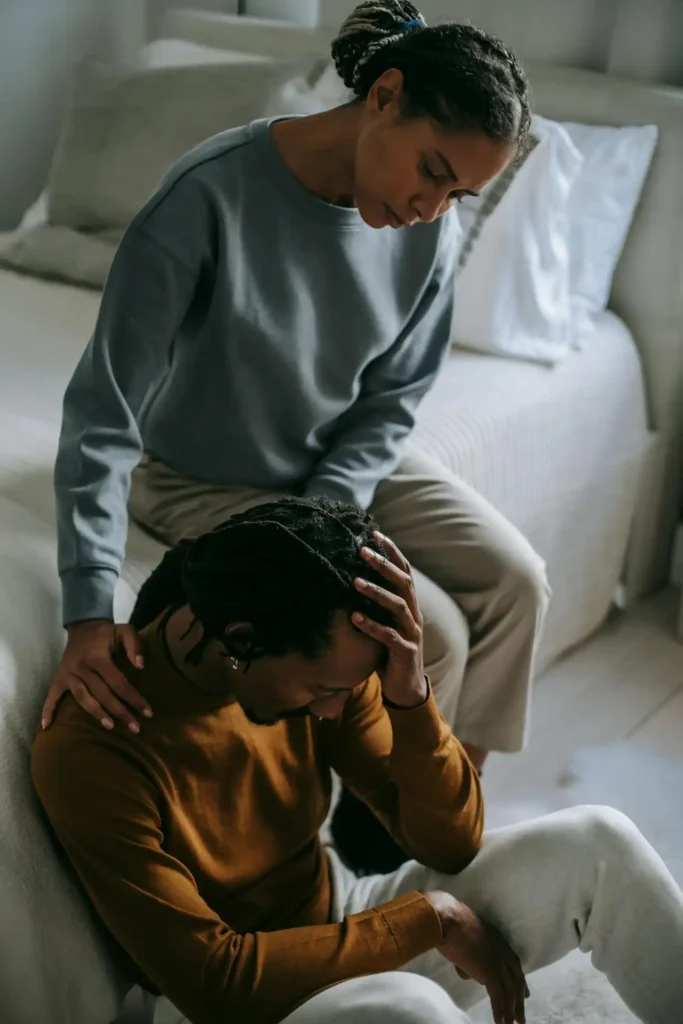
Unresolved Emotional Baggage
Men carrying emotional wounds from past relationships might withdraw after intimacy because it triggers unresolved fears or traumas related to previous partners.
Physical intimacy might remind him of past hurt, betrayal, or abandonment, causing him to protect himself by creating distance before similar pain can occur.
He might not consciously connect his current behavior to past experiences, but subconscious protection mechanisms drive his withdrawal.
These patterns will continue until he addresses underlying emotional issues through therapy or personal growth work.
Mental Health Challenges
Depression, anxiety, or other mental health issues can cause men to withdraw from relationships just when they’re becoming more meaningful and vulnerable.
Mental health challenges often create shame that makes intimate relationships feel overwhelming or impossible to maintain authentically.
He might believe he’s protecting you from his problems by withdrawing rather than communicating about his struggles and seeking support.
Professional help and honest communication are necessary to address these challenges, but he might not have the insight or resources to pursue these solutions.
11. He Never Learned Healthy Relationship Skills
He Lacks Emotional Intelligence
Many men haven’t developed the emotional intelligence necessary for healthy intimate relationships.
They don’t understand their own emotions or how to navigate complex relationship dynamics.
Physical intimacy creates emotional complexity that requires skills in communication, empathy, and emotional regulation that he might never have learned.
Rather than acknowledge his limitations and work to develop these skills, he chooses avoidance as the easier path.
This emotional underdevelopment affects all his relationships until he commits to learning healthier patterns.
He Has Unrealistic Relationship Expectations
Cultural messages often give men unrealistic expectations about what relationships should feel like and how they should progress. Reality doesn’t match their fantasies.
They might expect constant excitement, no challenges, or perfect compatibility without understanding that real relationships require work, communication, and growth.
When normal relationship challenges arise after intimacy, they interpret these as signs of incompatibility rather than natural development opportunities.
Without realistic expectations, they abandon relationships that could be fulfilling with proper effort and understanding.
Understanding the Pattern
It’s About Them, Not You
When men lose interest after sex, their behavior reflects their own emotional limitations, fears, or intentions rather than anything you did wrong or any deficiency in your character.
Your worth and desirability aren’t determined by whether someone chooses to pursue a relationship after intimacy.
Their choice reflects their own readiness and capability for genuine connection.
Understanding this helps protect your self-esteem and prevents you from changing your authentic self to accommodate men who aren’t emotionally available for real relationships.
Focus on your own emotional health and relationship goals rather than trying to decode or fix their behavioral patterns.
Protecting Your Emotional Wellbeing
Recognizing these patterns helps you make better decisions about when to become physically intimate and with whom.
Trust your instincts about people’s intentions and emotional availability.
Don’t use physical intimacy to try to deepen connection with someone who hasn’t demonstrated genuine emotional interest in you as a person.
Build emotional intimacy and assess compatibility before physical intimacy to better gauge someone’s true intentions and relationship readiness.
Remember that healthy relationships involve mutual respect, communication, and genuine interest that doesn’t disappear after physical connection.
Moving Forward
Focus on Quality Over Quantity
Look for men who demonstrate emotional maturity, good communication skills, and genuine interest in you as a complete person rather than just a physical partner.
Take time to assess someone’s character, values, and relationship goals before becoming physically intimate. Let emotional intimacy develop alongside physical attraction.
Don’t rush physical intimacy to try to create deeper connection. Real intimacy develops through shared experiences, vulnerability, and mutual investment over time.
Choose partners who enhance your life and treat you with consistent respect rather than those who create confusion and emotional stress.
Develop Your Own Standards
Establish clear boundaries and expectations for how you want to be treated in relationships.
Don’t compromise your standards to accommodate men who aren’t ready for healthy connection.
Communicate your needs and expectations clearly rather than hoping someone will intuitively understand what you want from the relationship.
Be willing to walk away from situations that don’t align with your values and relationship goals, regardless of how attracted you are to someone.
Invest your emotional energy in people who reciprocate your interest and demonstrate through actions that they value your connection.
Conclusion
These patterns reflect male emotional limitations, fears, or intentions rather than your worth.
Focus on finding emotionally mature partners who value genuine connection.