10 Signs to Know You Are a Lesbian
Understanding your sexual orientation takes time, self-reflection, and patience with yourself.
Many women spend years questioning their feelings before finding clarity about their identity.
If you’re wondering about your own orientation, these common experiences might resonate with your journey of self-discovery.
1. You Feel Differently About Relationships with Men

You notice a pattern in your relationships with men that doesn’t quite align with what you expected love to feel like.
Even when dating genuinely kind, attractive men, something feels missing or forced about the romantic connection.
You might find yourself going through the motions of heterosexual relationships without feeling the spark that everyone talks about.
Friends describe butterflies and excitement about their boyfriends, but you feel more like you’re performing a role than experiencing genuine romantic attraction.
This doesn’t mean you dislike men or can’t form meaningful friendships with them.
You might genuinely enjoy their company as friends, appreciate their personalities, and even find them objectively attractive.
The missing piece is that deep romantic and sexual pull that creates lasting, fulfilling relationships.
You may have convinced yourself that you just haven’t met the right man yet, or that you’re too picky.
Many lesbian women spend years in this pattern before recognizing that the issue isn’t finding the right man – it’s that romantic attraction to men isn’t part of their authentic experience.
2. Your Celebrity Crushes Tell a Story
When you look back at your celebrity crushes throughout your life, you notice an interesting pattern.
While your friends obsessed over male actors and musicians, you found yourself drawn to female celebrities in ways that felt different from simple admiration.
You might have told yourself you wanted to “be like” certain women, when in reality, you were attracted to them.
This confusion between wanting to be someone and wanting to be with someone is incredibly common among women discovering their lesbian identity.
Your admiration for female celebrities goes beyond appreciating their talent or style.
You find yourself genuinely excited to see them in movies, following their personal lives more closely than seems typical, or feeling something you couldn’t quite name when watching them on screen.
Looking back, you might realize that your “girl crushes” were actually just crushes.
The intensity of your feelings toward certain women, whether celebrities or people in your real life, makes more sense when viewed through the lens of romantic attraction rather than friendship or admiration.
3. You Experience Compulsory Heterosexuality
You’ve felt pressure to be interested in men, even when that interest doesn’t come naturally.
This pressure might come from family expectations, societal norms, or your own internalized beliefs about what you’re supposed to want in terms of relationships.
You might have forced yourself to date men because it seemed like the expected path, not because you felt genuinely drawn to them.
This experience of “compulsory heterosexuality” affects many lesbian women, leading them to pursue relationships that feel obligatory rather than fulfilling.
You notice that your interest in men often feels performative or based on what you think you should feel rather than authentic attraction.
You might choose men to date based on logical reasons – they’re successful, kind, or well-liked – rather than because you feel excited about them romantically.
Breaking free from compulsory heterosexuality often involves recognizing the difference between what you’ve been told you should want and what you actually desire.
This realization can feel both liberating and overwhelming as you begin to understand your authentic feelings.
4. Your Friendships with Women Feel Intense
Your friendships with women have an intensity that might have confused you or others around you.
You form deep emotional connections quickly and feel a level of care and investment that goes beyond typical friendship boundaries.
You might find yourself thinking about certain female friends constantly, wanting to spend all your time with them, or feeling jealous when they pay attention to other people.
These feelings might have been dismissed as “best friend” behavior, but they carry romantic undertones.
You’ve probably experienced what you thought were “friend crushes” – intense desires to be close to specific women that felt different from your other friendships.
These connections might have included wanting physical closeness, feeling nervous around them, or experiencing sadness when the friendships ended.
Looking back, you might recognize that some of these intense friendships were actually unrecognized romantic attractions.
The line between deep friendship and romantic interest became blurred because you didn’t have the framework to understand what you were experiencing.
5. You Question Traditional Relationship Roles
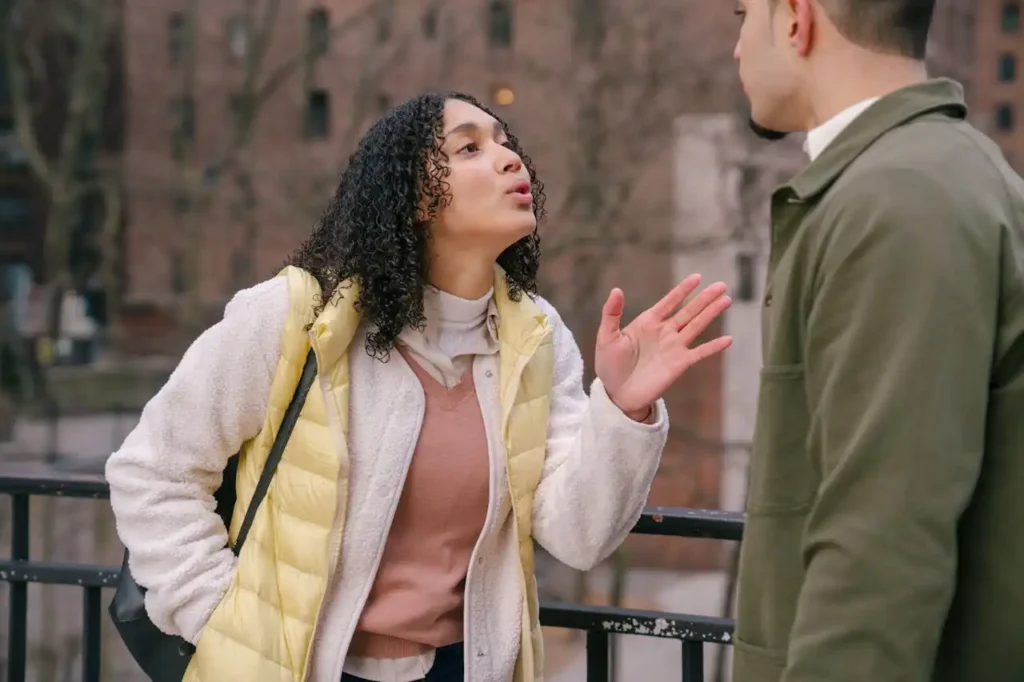
When you think about your ideal relationship, traditional gender roles don’t appeal to you or make sense for your life.
The idea of being with a male partner who takes on stereotypically masculine roles feels foreign or unappealing.
You might feel more comfortable with the idea of egalitarian relationships where both partners share responsibilities equally.
The traditional dynamic of heterosexual relationships – whether in terms of emotional labor, financial responsibilities, or domestic duties – doesn’t align with your vision of partnership.
You find yourself drawn to the idea of relationships where both people understand each other’s experiences as women.
The thought of sharing life with someone who faces similar societal challenges, understands female friendship dynamics, and relates to your experiences appeals to you deeply.
Your ideal relationship might involve emotional intimacy, shared understanding, and partnership that feels more natural between two women than between a woman and a man.
This preference goes beyond political beliefs about equality and touches on genuine personal comfort and attraction.
6. You Feel Different When Around Certain Women
You experience a specific type of nervousness or excitement around certain women that feels distinct from general social anxiety or friendship enthusiasm.
This feeling might include butterflies, heightened awareness of your appearance, or a desire to impress them.
You might find yourself paying extra attention to how you look when you know you’ll see certain women.
You choose your outfits more carefully, spend more time on your appearance, or feel self-conscious in ways that don’t happen around male romantic interests.
Physical proximity to women you’re attracted to creates a different type of energy than friendship or casual social interaction.
You might feel hyperaware of accidental touches, find excuses to be closer to them, or experience a racing heart when they pay attention to you.
These feelings might have been confusing because they don’t fit the heterosexual narrative you expected to experience.
You might have dismissed them as admiration or friendship when they were actually signs of romantic and sexual attraction.
7. Your Sexual Fantasies Feature Women
When you’re honest with yourself about your sexual fantasies and daydreams, women play the central role rather than men.
You might have tried to force male-centered fantasies because you thought that’s what you were supposed to want, but they felt artificial or unsatisfying.
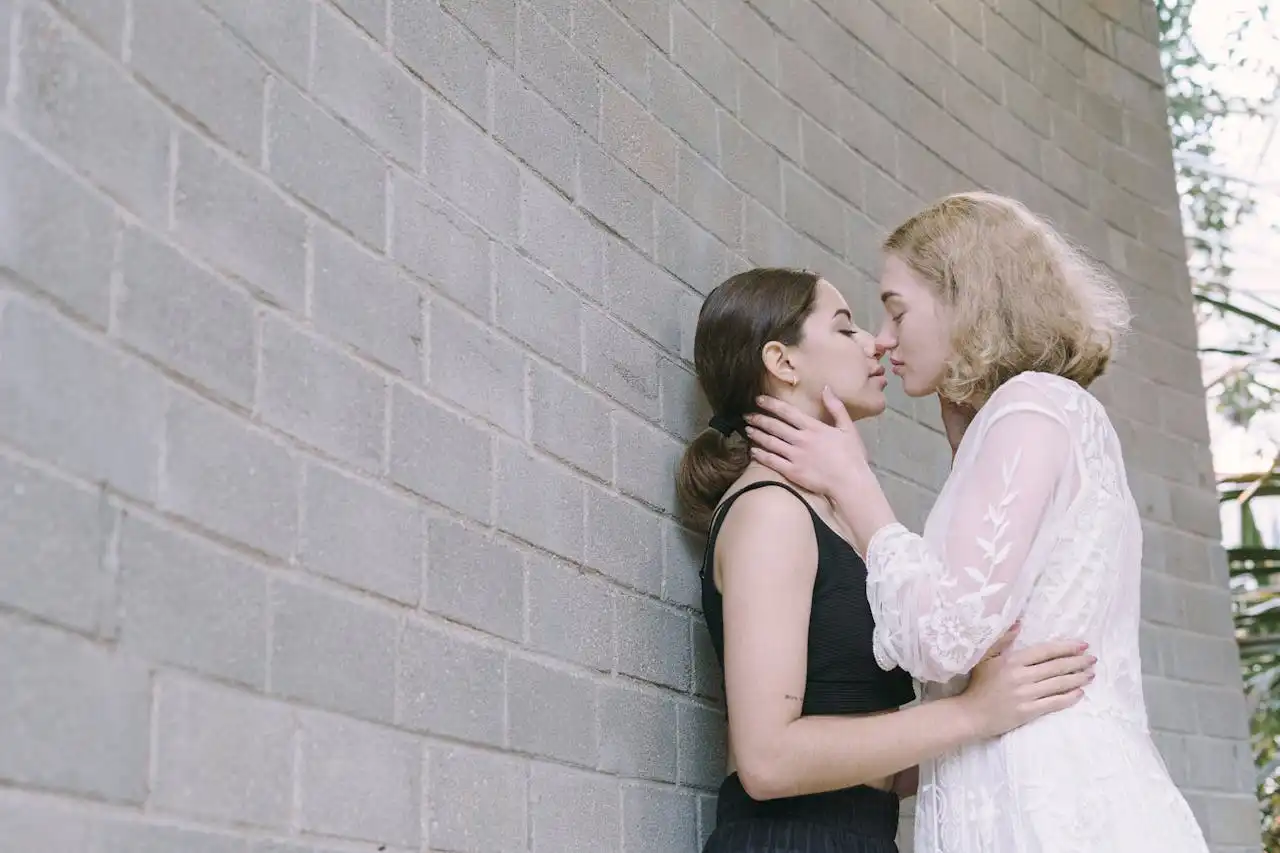
Your authentic sexual thoughts and desires center around women’s bodies, personalities, and the idea of romantic and physical intimacy with female partners.
These fantasies feel natural and exciting in ways that forced heterosexual fantasies never did.
You might have dismissed these thoughts as curiosity or experimentation, but their consistency and intensity suggest something deeper about your sexual orientation.
Many lesbian women report that their fantasies provided the first clear indication of their true attractions.
The content of your fantasies might include emotional intimacy alongside physical attraction, suggesting that your interest in women encompasses both romantic and sexual elements.
This combination of emotional and physical attraction points toward lesbian identity rather than simple curiosity.
8. You Connect Deeply with LGBTQ+ Stories and Characters
You find yourself drawn to movies, books, TV shows, and stories featuring lesbian characters or LGBTQ+ themes.
These stories resonate with you in ways that feel personal and meaningful, even if you can’t initially articulate why.
You might feel emotional watching coming-out stories, lesbian romance films, or characters discovering their sexual identity.
These narratives touch something inside you that feels familiar, even if you haven’t consciously acknowledged your own similar experiences.
You seek out LGBTQ+ content more actively than your heterosexual friends do, and you feel genuinely invested in representation and visibility for lesbian women.
This interest goes beyond ally ship and feels personal in ways you might not fully understand at first.
The happiness you feel when you see positive lesbian representation, the anger you experience at negative stereotypes, and your investment in LGBTQ+ rights issues might reflect your own unconscious identification with the community.
9. You Experience Discomfort with Heterosexual Expectations
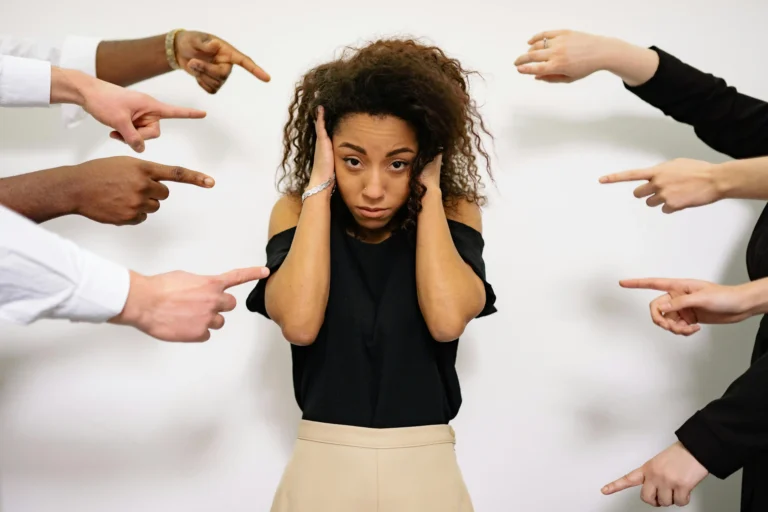
Social situations that assume heterosexuality make you feel uncomfortable or out of place.
Questions about boyfriends, assumptions about your dating life, or conversations about men feel awkward in ways you can’t quite explain.
You might feel like you’re pretending or acting when participating in heterosexual social rituals like discussing attractive male celebrities, sharing dating stories about men, or expressing enthusiasm about traditionally romantic gestures from male partners.
Family expectations about marriage and children with a male partner feel heavy or wrong for your life.
You might feel pressure to meet these expectations while simultaneously feeling resistance to the entire concept of heterosexual family life.
The discomfort extends beyond simple introversion or dislike of dating culture.
It specifically relates to the heterosexual assumptions embedded in social interactions and the expectation that you’ll eventually settle down with a man.
10. You Feel Relief When Considering Lesbian Identity
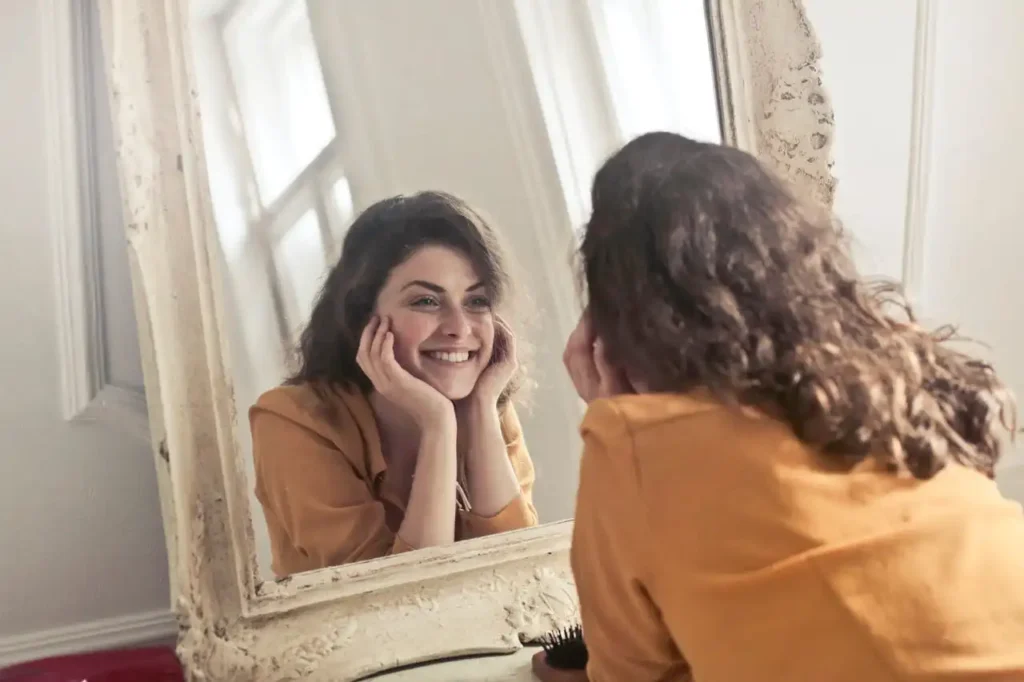
When you honestly consider the possibility that you might be a lesbian, you feel relief rather than distress.
This reaction suggests that lesbian identity aligns with your authentic self rather than contradicting it.
The idea of dating women exclusively feels natural and exciting rather than limiting or frightening.
You might imagine yourself in lesbian relationships and feel a sense of rightness that you never experienced when planning heterosexual futures.
You feel drawn to lesbian communities, whether online or in person, and you experience a sense of belonging that you might not have found elsewhere.
The shared experiences and understanding within lesbian spaces feel like home.
Accepting your lesbian identity brings clarity to past experiences, relationships, and feelings that didn’t make sense within a heterosexual framework.
This clarity feels like pieces of a puzzle finally fitting together to create a coherent picture of who you are.
Understanding Your Journey
Sexual orientation exists on a spectrum, and every woman’s journey to understanding her identity is unique.
Some women know from early childhood that they’re attracted to other women, while others don’t recognize or accept their lesbian identity until later in life.
Your experiences might not match every sign on this list, and that’s completely normal.
Sexual identity is personal and complex, influenced by individual personality, life experiences, cultural background, and many other factors that make each person’s story different.
Some women identify as lesbian after years of heterosexual relationships, while others recognize their attraction to women but also maintain attraction to men and identify as bisexual or pansexual.
Your identity is valid regardless of when you discover it or how it develops over time.
The most important aspect of understanding your sexual orientation is honesty with yourself about your feelings, attractions, and desires.
Take time to reflect on your experiences without judgment, and remember that discovering your authentic self is a process that deserves patience and compassion.
Finding Support and Community
Questioning your sexual orientation can feel isolating, but you’re not alone in this experience.
Many women have walked this path before you, and supportive communities exist both online and in person to help you navigate your journey of self-discovery.
Consider reaching out to LGBTQ+ organizations in your area, joining online communities for questioning women, or speaking with a therapist who specializes in sexual identity issues.
Professional counselors can provide a safe space to explore your feelings without pressure to reach any particular conclusion.
Books, podcasts, and other resources created by lesbian women can provide insight into diverse experiences and help you understand that there’s no single “right” way to be a lesbian.
Learning about other women’s stories often helps clarify your own feelings and experiences.
Remember that coming out is a personal decision with no required timeline. You can take as much time as you need to understand yourself, and you can share your identity with others when and if you feel ready to do so.
Conclusion
Discovering your lesbian identity is a personal journey that unfolds differently for everyone.
Trust your feelings, be patient with yourself, and remember that finding your authentic truth is worth the time and reflection it requires.