

Why is My Grown Daughter So Rude To Me? 9 Reasons Your Daughter is Rebellious
Watching your grown daughter treat you with disrespect can feel heartbreaking and confusing. You raised her with love, yet she seems angry or distant.
Understanding why this happens doesn’t excuse rude behavior, but it can help you navigate this challenging phase.
Often, adult children’s rebellion stems from deeper issues that need addressing. Recognizing the root causes opens the door to healing and stronger connection.
These patterns usually signal underlying relationship dynamics that both of you can work to improve.
1. She Feels You Still Treat Her Like a Child
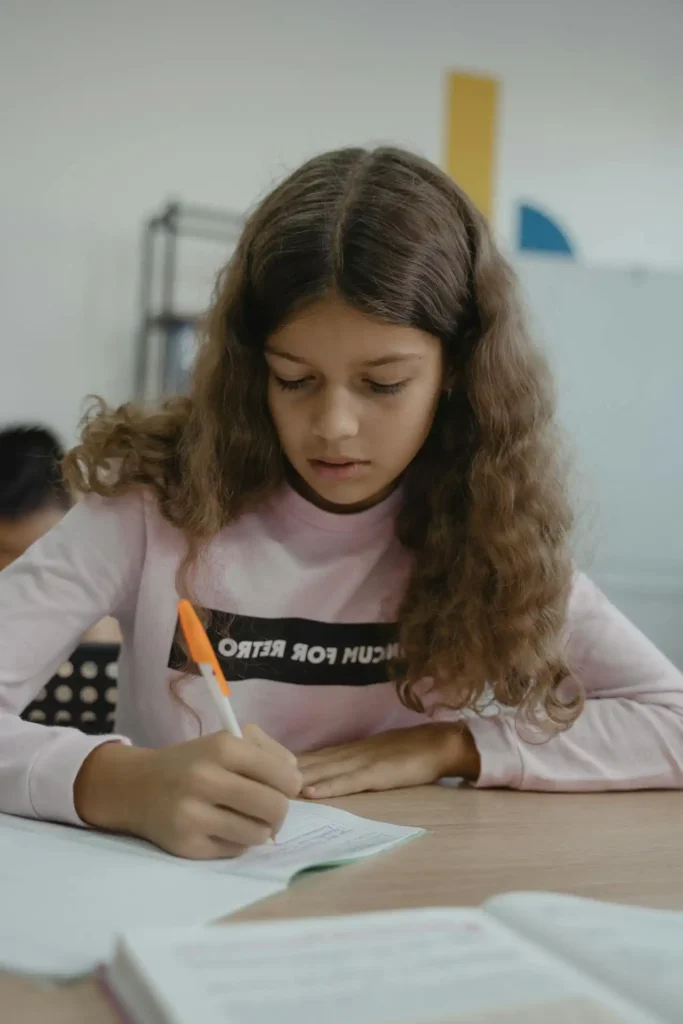
You might still offer unsolicited advice about her career, relationships, or daily choices.
Even well-meaning suggestions can feel patronizing when she’s trying to establish herself as an independent adult.
Perhaps you comment on her appearance, question her decisions, or suggest better ways to handle her problems.
These interactions, though loving in intent, can make her feel like you don’t trust her judgment or respect her autonomy.
She may respond rudely because she feels frustrated that you haven’t adjusted to seeing her as an equal adult.
Your daughter wants you to recognize her growth and capability rather than continuing the parent-child dynamic from her youth.
This pattern often develops gradually, making it hard to notice when guidance crosses into controlling territory.
What feels like caring to you might feel suffocating to her as she works to establish her adult identity.
2. Unresolved Childhood Issues Are Surfacing
As adults, people often gain new perspective on their childhood experiences.
Your daughter might be processing events or patterns from her youth that she couldn’t fully understand or address when they happened.
She may feel angry about times she felt unheard, overlooked, or misunderstood during her formative years.
Perhaps she’s remembering situations where she felt her feelings weren’t validated or her needs weren’t prioritized.
Sometimes therapy or life experiences help adult children recognize how certain parenting approaches affected them.
They might feel ready to address these issues for the first time, and their emotions can come out as anger or rebellion.
This doesn’t necessarily mean you were a bad parent, but rather that she’s working through complex feelings about her upbringing.
Her rudeness might be her way of trying to establish that things need to change between you.
3. You Have Different Values and Life Choices
Your daughter’s adult choices might conflict with the values you taught her or the life you envisioned for her.
She could be living with a partner without marriage, pursuing a career you don’t understand, or making financial decisions you disagree with.
When you express disapproval—whether directly or through subtle comments—she feels judged and defensive.
She wants your acceptance and support, but she also needs to live authentically according to her own beliefs and priorities.
Your reactions to her choices might feel like rejection of who she’s become as an adult.
If she senses disappointment or criticism, she may respond with hostility as a way to protect herself from feeling inadequate.
She needs space to make her own mistakes and discoveries without feeling like she’s constantly disappointing you.
Her rudeness might be her way of pushing back against what feels like conditional love or acceptance.
4. Communication Patterns Have Become Unhealthy

Over the years, you and your daughter may have developed communication habits that don’t serve your relationship well.
Perhaps conversations quickly turn into arguments, or one of you tends to dominate discussions.
You might interrupt each other, make assumptions about what the other person thinks, or bring up past conflicts during current disagreements.
These patterns create frustration and make productive conversation nearly impossible.
She may feel like you don’t really listen to her perspective or that you always have to be right.
If she believes her voice doesn’t matter in your relationship, she might resort to rudeness to get your attention or make her point.
Breaking these cycles requires both of you to recognize the patterns and commit to changing how you interact.
Her rebellious behavior might be her way of demanding that communication improve between you.
5. She’s Struggling with Mental Health Issues
Depression, anxiety, or other mental health challenges can significantly affect how your daughter interacts with the world, including with you. When someone is struggling internally, they often take their pain out on the people closest to them.
She might feel overwhelmed by adult responsibilities, struggling with relationships, or dealing with work stress.
These pressures can make her irritable and quick to snap, especially in the safe space of family relationships.
Mental health issues can also affect her ability to regulate emotions or communicate effectively.
What appears as rudeness might actually be a symptom of deeper struggles she’s facing.
If you suspect mental health plays a role, approaching the topic with compassion rather than criticism will be more helpful.
She needs support and understanding, not judgment about her behavior during difficult times.
6. Financial Stress Is Creating Tension
Money issues can strain any relationship, especially between parents and adult children.
If your daughter is financially struggling, she might feel embarrassed, frustrated, or resentful about her situation.
Perhaps she’s had to move back home, ask for financial help, or feels like she can’t achieve the independence she wants due to economic challenges.
These circumstances can create shame and defensive behavior. The stress of money problems can make anyone more irritable and defensive.
You might offer help with strings attached or make comments about her financial choices that feel judgmental.
Even well-intentioned advice about budgeting or career moves can feel patronizing when she’s already stressed about money.
Her rudeness might stem from feeling powerless in her financial situation or frustrated that she needs family support when she wants to be independent.
7. She Feels Unheard and Invalidated
Throughout your relationship, your daughter might have experienced times when her feelings, opinions, or experiences were dismissed or minimized.
Over time, this pattern can build resentment and frustration. She may feel like you don’t take her seriously as an adult.
Perhaps you’ve always been quick to offer solutions instead of simply listening, or you tend to downplay her problems by comparing them to your own experiences.
When she tries to express concerns about your relationship or past hurts, you might become defensive or change the subject.
This response teaches her that her feelings don’t matter or that you’re not willing to hear difficult truths.
Her rude behavior might be an escalation born from feeling like respectful communication hasn’t worked.
She may believe that being harsh is the only way to get your attention and make you take her seriously.
8. Boundary Issues Are Causing Conflict

You might struggle with respecting your daughter’s boundaries as an adult, which can create significant tension.
This could involve anything from dropping by unannounced to sharing her personal information with others.
Perhaps you expect her to spend holidays a certain way, call you daily, or include you in decisions that she considers private.
When she tries to set limits, you might guilt-trip her or ignore her requests.
Boundary violations can feel deeply disrespectful to adult children who are working to establish their independence.
Your daughter needs to know that you respect her autonomy and right to make decisions about her own life.
Her rebellious behavior might be her way of enforcing boundaries when gentler attempts haven’t worked.
She may feel like being rude is the only way to get you to respect her limits and treat her as an independent adult.
9. She’s Going Through Major Life Transitions
Adult life brings many challenging transitions—career changes, relationship struggles, becoming a parent, dealing with loss, or other major life events.
During these times, people often feel stressed and may not handle relationships as gracefully as usual.
Your daughter might be questioning her life direction, dealing with divorce, struggling with fertility issues, or facing other private challenges she hasn’t shared with you.
These situations can make anyone more irritable and defensive. Major transitions can bring up unexpected emotions and reactions.
She may also be in a phase of redefining her relationship with family as she figures out her adult identity.
This process often involves some rebellion or distance as she establishes who she is separate from her family of origin.
Her rudeness might be temporary behavior related to stress and change rather than a permanent shift in your relationship dynamic.
Conclusion
Understanding these reasons can help you approach your daughter with more compassion and work together toward rebuilding your relationship with mutual respect and understanding.