16 Signs You Are Unattractive Woman
Recognizing the signs of low confidence in your attractiveness is the first step toward building genuine self-esteem.
These patterns often develop gradually and can impact various areas of your life without you even realizing it.
1. You Constantly Seek Validation from Others
You find yourself fishing for compliments by making self-deprecating comments about your appearance.
When someone gives you a genuine compliment, you immediately deflect it or explain why they’re wrong.
This pattern shows that you don’t trust your own judgment about your attractiveness and need others to convince you of your worth.
You post photos on social media primarily to receive likes and positive comments rather than to share meaningful moments.
The number of reactions your photos receive directly affects your mood for the rest of the day.
You refresh your posts repeatedly, counting engagement and comparing your photos’ performance to others.
Your self-worth fluctuates dramatically based on whether people notice your appearance or give you attention.
On days when you receive compliments, you feel confident, but when no one comments on how you look, you assume you must look terrible.
You ask friends and family members repeatedly if you look okay, even after they’ve already reassured you.
This constant need for external validation suggests you haven’t developed trust in your own perception of your attractiveness.
2. You Avoid Mirrors and Photos
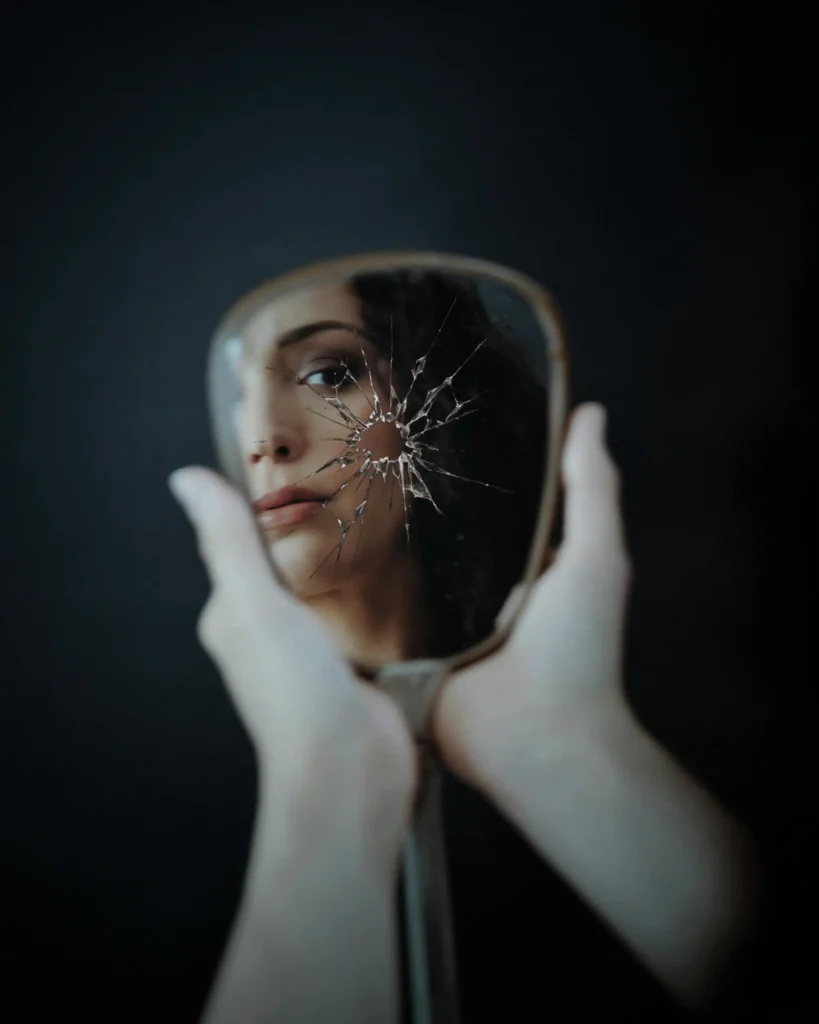
You strategically avoid looking at yourself in mirrors throughout the day, especially full-length ones.
When you do catch a glimpse of your reflection, you immediately focus on perceived flaws rather than appreciating your overall appearance.
This avoidance behavior indicates deep discomfort with your physical self.
Taking photos fills you with anxiety, and you go to great lengths to avoid being photographed.
When someone does take your picture, you immediately ask to see it and often request they delete it because you think you look awful.
You rarely appear in family photos or group pictures because you’re always the one behind the camera.
You spend excessive time getting ready because you’re trying to achieve an impossible standard of perfection.
Even after an hour of preparation, you still don’t feel satisfied with how you look.
This perfectionist approach to your appearance often stems from deep insecurity about your natural beauty.
When forced to see photos of yourself, you automatically zoom in on perceived flaws and ignore any positive aspects of your appearance.
You save very few photos of yourself and often delete them shortly after they’re taken.
3. You Compare Yourself to Everyone
You automatically compare your appearance to every woman you encounter, whether in person, on social media, or in magazines.
These comparisons always leave you feeling inadequate because you focus on what others have that you perceive you’re lacking.
This constant comparison game becomes an exhausting mental habit that reinforces negative self-perception.
You follow influencers and celebrities on social media who make you feel worse about yourself, yet you can’t stop looking at their content.
You tell yourself you’re seeking inspiration, but these accounts actually fuel your insecurities and make you question your own attractiveness.
You notice every detail about other women’s appearances while being hypercritical of your own.
You can quickly identify what you consider beautiful about strangers while struggling to see any positive qualities in your own reflection.
Even when receiving compliments, you immediately think of someone else who you believe is more attractive than you.
You can’t accept praise without qualifying it or diminishing it through comparison to others.
4. You Hide Behind Certain Clothing Styles
You stick to a very limited wardrobe that you consider “safe” because it hides perceived flaws.
You avoid certain colors, patterns, or styles that you think draw unwanted attention to parts of your body you dislike.
This restrictive approach to fashion limits your self-expression and keeps you from discovering what might actually look wonderful on you.
You wear oversized clothes consistently, believing they make you look better by hiding your shape.
You feel uncomfortable in fitted clothing even when it actually flatters your figure.
This tendency to hide your body suggests you don’t appreciate your natural silhouette.
You refuse to wear certain types of clothing like swimwear, dresses, or anything that shows your arms, legs, or décolletage.
These clothing restrictions limit your activities and experiences because you’re more focused on hiding than on enjoying life.
You dress primarily based on what you think will make you appear smaller, thinner, or less noticeable rather than what makes you feel confident and expressive.
Your clothing choices reflect a desire to disappear rather than to shine.
5. You Downplay Compliments Instantly
When someone compliments your appearance, you immediately respond with reasons why they’re wrong or redirect the attention away from yourself.
You might say things like “Oh, this old thing?” or “I look terrible today” in response to genuine praise about your outfit or appearance.
You assume people are just being polite when they compliment you rather than believing they’re expressing genuine appreciation for your attractiveness.
You’ve convinced yourself that compliments are social niceties rather than honest observations.
You keep a mental catalog of all your perceived flaws ready to counteract any positive feedback you receive.
When someone says you look beautiful, you immediately think about everything you believe is wrong with your appearance.
You feel uncomfortable and anxious when receiving compliments about your looks, as if the person giving them must be mistaken or lying.
This discomfort with praise indicates a disconnect between how others see you and how you see yourself.
6. You Overthink Every Social Interaction

You analyze every conversation to determine whether people find you attractive or not.
You read meaning into neutral interactions, often interpreting lack of specific praise as evidence that you’re unattractive.
This constant analysis exhausts your mental energy and prevents you from enjoying social connections.
You assume that if someone doesn’t immediately compliment your appearance, they must think you look bad.
You create elaborate theories about people’s reactions to you based on minimal evidence, usually concluding that your attractiveness is the problem.
You replay social interactions repeatedly, focusing on moments when you felt self-conscious about your appearance.
You convince yourself that everyone noticed the same flaws you’re obsessing over, even though they probably didn’t notice anything at all.
You avoid social situations where you might be judged on your appearance, missing out on opportunities for connection and fun.
Your fear of not being attractive enough keeps you isolated and reinforces your negative self-perception.
7. You Have Rigid Beauty Routines
You follow extremely detailed and time-consuming beauty routines because you believe you need extensive preparation to be presentable.
You feel panic if you have to leave the house without completing every step of your routine, as if you’ll be judged harshly for not looking perfect.
You won’t let anyone see you without makeup, including close family members and romantic partners.
You wake up early to put on makeup before others see you and remove it only after everyone has gone to bed.
This behavior suggests you believe your natural face is unacceptable.
You spend significant money on beauty products, treatments, and procedures hoping to fix perceived flaws.
You’re always searching for the next product or service that will finally make you feel attractive, but nothing ever seems to be enough.
You feel genuine distress when you can’t follow your beauty routine due to circumstances like camping, illness, or time constraints.
Your self-worth becomes tied to these external enhancements rather than your natural beauty.
8. You Avoid Certain Activities
You decline invitations to activities where you might look less than perfect, such as swimming, hiking, or dancing.
You prioritize maintaining your appearance over enjoying experiences, missing out on fun and meaningful activities because of appearance-related anxiety.
You skip gym classes or outdoor activities because you’re concerned about how you’ll look while exercising or sweating.
This avoidance can impact your physical health and limit your opportunities to build confidence through achievement and strength.
You refuse to participate in photos during special events, choosing to miss being included in memories rather than risk looking imperfect.
Years later, you regret not having photos from important moments in your life.
You make excuses to avoid social gatherings where you feel your appearance will be scrutinized.
You convince yourself and others that you’re too busy or not interested, when really you’re afraid of not measuring up to your own impossible standards.
9. You Focus Intensely on Perceived Flaws
You spend excessive time examining specific parts of your body or face that you consider problematic.
You use magnifying mirrors or harsh lighting to scrutinize these areas, which only makes them appear worse and reinforces your negative perception.
You research cosmetic procedures, treatments, or products to fix these perceived flaws, often spending considerable time and money on solutions.
You believe that changing these specific features will finally make you feel attractive and confident.
You cover or camouflage these areas obsessively, developing elaborate techniques to hide what you consider imperfections.
You become skilled at strategic clothing choices, makeup techniques, or posture adjustments designed to minimize these features.
You assume everyone notices and judges these perceived flaws as harshly as you do.
You overestimate how visible and problematic these features are to others, not realizing that most people don’t scrutinize appearances the way you scrutinize your own.
10. You Dismiss Your Positive Features

You struggle to identify or acknowledge any attractive qualities about yourself.
When pressed to name something you like about your appearance, you either can’t think of anything or minimize whatever you mention with qualifiers and criticisms.
You focus so intently on perceived negatives that you completely overlook your genuine assets.
You might have beautiful eyes, great hair, or an lovely smile, but you don’t see these features because you’re fixated on what you consider wrong with your appearance.
You believe that acknowledging your attractive features would be conceited or unrealistic.
You’ve convinced yourself that recognizing your own beauty is somehow inappropriate, which keeps you trapped in negative self-perception.
You interpret your positive features as “okay” or “average” rather than genuinely attractive.
You set impossibly high standards for what constitutes beauty, ensuring that you’ll never meet your own criteria for attractiveness.
11. You Feel Uncomfortable with Attention
When people look at you or pay attention to your appearance, you immediately assume they’re noticing something negative.
You interpret neutral glances as critical judgment and feel self-conscious whenever you’re in the spotlight.
You avoid situations where you might be the center of attention, even positive attention like birthday celebrations or achievements.
You’re more comfortable blending into the background than risk having people focus on how you look.
You feel anxious when wearing anything that might draw notice, preferring to dress in ways that help you disappear rather than stand out.
You choose muted colors and unremarkable styles to avoid any kind of attention.
You misinterpret compliments or positive attention as pity or politeness rather than genuine appreciation.
You can’t imagine that people might actually find you attractive, so you explain away any evidence to the contrary.
12. You Have Negative Self-Talk Patterns
Your internal dialogue about your appearance is consistently harsh and critical.
You speak to yourself in ways you would never speak to a friend, using cruel language and focusing on perceived inadequacies.
You automatically notice and comment on your appearance negatively throughout the day.
You catch glimpses of yourself and immediately think critical thoughts rather than neutral or positive observations.
You predict negative outcomes for social or professional situations based on your appearance.
You assume you won’t be successful, liked, or accepted because you don’t feel attractive enough.
You use your perceived lack of attractiveness to explain various life disappointments or challenges.
You blame your appearance for problems that likely have nothing to do with how you look.
13. You Struggle with Intimacy
You feel uncomfortable being physically close to romantic partners because you’re worried about how you look from different angles or in various lighting.
You prefer intimate moments in darkness or specific positions that you think are more flattering.
You avoid certain types of physical intimacy or clothing because you’re self-conscious about your body.
You miss out on connection and pleasure because you’re too focused on perceived imperfections.
You assume romantic partners are settling for you or will eventually find someone more attractive.
You have difficulty believing that someone could genuinely find you beautiful and desirable.
You deflect romantic compliments or expressions of attraction, unable to accept that your partner truly finds you appealing.
You interpret their desire as evidence of low standards rather than genuine attraction.
14. You Edit Photos Extensively
You spend significant time editing every photo of yourself before sharing it, using filters, apps, or editing software to change your appearance.
You feel that your natural appearance isn’t acceptable for public viewing.
You take dozens of photos to get one you consider acceptable, deleting most because you think you look terrible.
You’ve developed specific angles, poses, and techniques designed to hide perceived flaws.
You feel anxious about candid photos or pictures taken by others because you can’t control how you look in them.
You prefer to be the photographer rather than the subject to avoid this vulnerability.
You compare your real appearance to your edited photos and feel disappointed with reality.
You’ve created an unrealistic standard based on digitally altered images that you can never achieve in person.
15. You Avoid Mirrors During Vulnerable Moments
You avoid looking at yourself when you’re emotional, tired, or not feeling well because you think you look particularly unattractive during these times.
You’ve convinced yourself that your natural, unguarded appearance is somehow shameful.
You feel especially self-conscious about your appearance in the morning or before bed when you’re not “put together.”
You believe you need artificial enhancement to be acceptable even to yourself.
You avoid mirrors in certain lighting conditions or locations because you think they show your “true” (and presumably unattractive) appearance.
You seek out only the most flattering mirrors and lighting situations.
You feel surprised when you catch unexpected glimpses of yourself in store windows or other reflective surfaces, often feeling disappointed with what you see.
16. You Believe Attractiveness Determines Your Worth
You think that being attractive is necessary for success in relationships, career, and social situations.
You’ve internalized the belief that your value as a person depends heavily on your physical appearance.
You assume that more attractive women have easier, better lives and that your struggles result from not being pretty enough.
You overlook other factors like personality, skills, and character that contribute to success and happiness.
You feel that improving your appearance is the most important thing you can do to improve your life.
You invest more time, energy, and resources in changing how you look than in developing other aspects of yourself.
You believe that if you were more attractive, all your problems would be solved.
You’ve placed appearance on such a pedestal that you can’t see the many other valuable qualities you possess.
Conclusion
Recognizing these patterns is the first step toward building genuine confidence.
Your worth extends far beyond your appearance, and true attractiveness comes from self-acceptance and confidence.