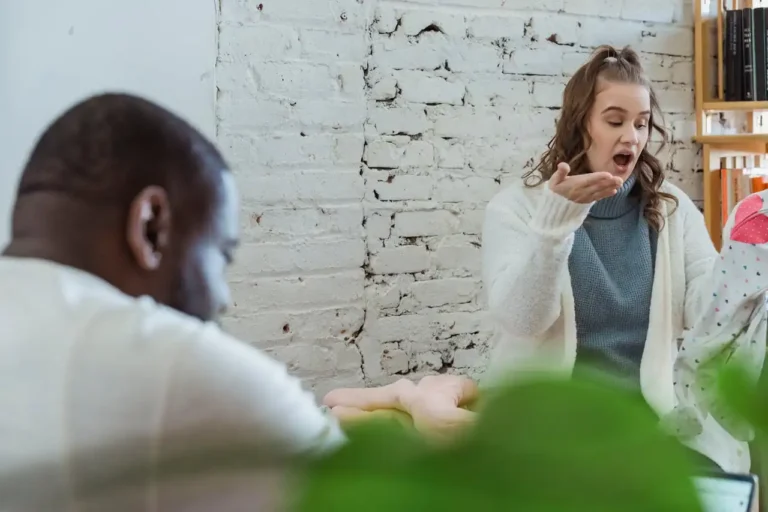

9 Signs Your Marriage is Painfully Boring
Marriage doesn’t have to feel like a monotonous routine that drains your energy and enthusiasm.
When passion fades and predictability takes over, you might find yourself questioning whether this is how married life should feel.
Recognizing these warning signs helps you identify when your relationship needs a spark and motivates you to take action before boredom becomes permanent resentment.
1. Your Conversations Never Go Beyond Daily Logistics

Your communication has become purely functional, focusing only on schedules, household tasks, and basic information exchange.
You discuss who’s picking up groceries, when the bills are due, and what time dinner will be ready, but you never share thoughts, dreams, or interesting observations about life.
Deep conversations about your feelings, goals, or experiences feel foreign and uncomfortable.
You can’t remember the last time you had a meaningful discussion about something that excited or inspired either of you.
The intellectual and emotional intimacy that once connected you has been replaced by practical coordination.
When you do try to engage in more meaningful conversation, it feels forced or quickly fizzles out.
You struggle to find topics that genuinely interest both of you beyond the immediate needs of running a household and managing daily responsibilities.
This communication pattern creates emotional distance even when you’re physically together.
Without regular meaningful exchanges, you begin to feel like roommates managing a shared living situation rather than romantic partners building a life together.
2. You’ve Fallen into Unchanging Routines
Your daily, weekly, and monthly patterns have become so predictable that you could navigate them with your eyes closed.
You eat the same meals, watch the same shows, go to bed at the same time, and follow identical routines without variation or spontaneity.
Weekends follow the same formula week after week—same restaurants, same activities, same social patterns.
You’ve stopped suggesting new experiences because you know your spouse will prefer familiar options or express reluctance to try something different.
Even special occasions like birthdays and anniversaries follow predictable scripts.
You go to the same restaurant, exchange similar gifts, and celebrate in ways that feel more obligatory than joyful.
The element of surprise and excitement has been replaced by comfortable predictability.
While routines provide stability, excessive predictability can drain the life out of your relationship.
Without novelty and shared adventures, you miss opportunities to create new memories and rediscover each other in different contexts.
3. Physical Intimacy Has Become Rare or Mechanical
Physical affection has decreased significantly, and when it does occur, it feels routine rather than passionate.
Spontaneous touches, kisses, and intimate moments have been replaced by scheduled or obligatory interactions that lack genuine desire and connection.
You notice that physical intimacy follows a predictable pattern with little variation or creativity.
The excitement and anticipation that once characterized your physical relationship has been replaced by familiar routines that feel more like checking a box than expressing love and desire.
Everyday physical affection like holding hands, cuddling while watching TV, or casual touches while passing in the kitchen have become rare.
You exist in the same space without regularly connecting through physical touch that creates closeness and intimacy.
This decline often reflects broader emotional distance in the relationship.
When emotional connection weakens, physical intimacy naturally suffers, creating a cycle where lack of touch further reduces overall relationship satisfaction and bonding.
4. You Spend Most Free Time on Separate Activities

When not managing household responsibilities or family obligations, you and your spouse automatically retreat to individual activities rather than choosing to spend time together.
You watch different shows, pursue separate hobbies, and socialize with different friend groups. Time together feels more accidental than intentional.
You might be in the same room but engaged in completely separate activities like scrolling through phones, reading different books, or working on individual projects without meaningful interaction.
When you do have opportunities for shared leisure time, you struggle to find activities that interest both of you.
Compromise feels difficult because you’ve developed such different preferences and interests during your time apart.
This pattern creates parallel lives rather than an intertwined partnership.
While individual interests and independence are healthy, excessive separation during free time prevents the shared experiences that strengthen marital bonds and create lasting memories.
5. You Feel Excited About Everything Except Your Marriage
Work projects, friendships, hobbies, and other life activities generate enthusiasm and energy that your marriage simply doesn’t provide.
You find yourself looking forward to almost anything except quality time with your spouse.
You realize you have more engaging conversations and enjoyable experiences with friends, colleagues, or even acquaintances than you do with your life partner.
Other relationships provide intellectual stimulation and emotional satisfaction that your marriage lacks.
When faced with a free evening or weekend, you feel more motivated to pursue individual activities or make plans with others rather than creating meaningful experiences with your spouse.
Time together feels like a default option rather than a preferred choice. When your spouse becomes the least interesting person in your life, the relationship needs serious attention and revitalization.
This enthusiasm gap signals that your marriage is no longer providing the emotional nourishment and excitement that healthy relationships should offer.
6. You’ve Stopped Learning New Things About Each Other
You feel like you know everything there is to know about your spouse, and they seem equally uninterested in discovering new aspects of your personality, thoughts, or experiences.
Curiosity about each other has been replaced by assumptions and stagnant understanding.
Conversations about personal growth, changing perspectives, or new interests are rare because you both assume the other person hasn’t changed or developed since you got married.
This assumption prevents you from recognizing and appreciating how you’ve both evolved as individuals.
You stop sharing new experiences, insights, or ideas with each other because you predict how your spouse will respond.
This lack of sharing creates emotional distance and prevents the ongoing discovery that keeps relationships fresh and engaging.
People continue growing and changing throughout their lives, and healthy marriages require ongoing curiosity and interest in these developments.
When you stop being curious about your spouse, you miss opportunities for renewed connection and deeper understanding.
7. You Fantasize About Different Life Scenarios
You frequently daydream about how different your life could be—whether single, with a different partner, or in dramatically different circumstances.
These fantasies feel more appealing than your current reality and consume significant mental energy.
You find yourself wondering what life would be like if you had made different choices or if your spouse suddenly changed in dramatic ways.
These thoughts indicate dissatisfaction with your current situation and a desire for something more engaging and fulfilling.
Travel shows, movies about different lifestyles, or stories about other couples trigger feelings of longing for experiences and excitement that feel impossible within your current marriage.
You feel like you’re missing out on life while trapped in a boring partnership. These mental departures often precede actual changes in the relationship.
While occasional fantasies about different scenarios are normal, frequent escapist thinking suggests that your marriage isn’t providing the satisfaction and fulfillment you need.
8. You Can Predict Everything Your Spouse Will Say or Do

Your spouse’s responses to situations, conversation topics, and daily events have become so predictable that you could script their reactions in advance.
This predictability has eliminated surprise and spontaneity from your interactions.
You find yourself finishing their sentences, anticipating their opinions, and knowing exactly how they’ll respond to new information or suggestions.
While some predictability demonstrates deep knowledge, excessive predictability can make interactions feel stale and automatic.
When sharing news, ideas, or experiences with your spouse, you already know their likely response before you speak.
This predictability reduces motivation to share because the outcome feels predetermined and unengaging.
Arguments, discussions, and decision-making processes follow identical patterns every time.
You know exactly which points your spouse will make, which objections they’ll raise, and how the conversation will unfold, making meaningful dialogue feel pointless.
9. You’ve Both Stopped Making Effort
Neither of you puts energy into planning special experiences, creating romantic moments, or doing thoughtful things for each other.
The effort that once characterized your relationship has been replaced by minimal maintenance of basic household functions.
Date nights, surprise gestures, and intentional quality time have become rare or nonexistent.
You both seem to have accepted that the relationship requires no investment beyond fulfilling basic obligations and managing shared responsibilities.
Personal appearance and presentation for each other has become an afterthought.
You both dress and present yourselves with more care for work, social events, or other activities than you do for each other, signaling that your spouse’s opinion and attraction no longer feel important.
Communication about improving the relationship, addressing problems, or creating positive changes has ceased.
You both seem to have quietly accepted that this is how marriage is supposed to feel rather than actively working to create the relationship you both deserve.
This lack of mutual effort creates a downward spiral where decreased investment leads to decreased satisfaction, which further reduces motivation to try.
Breaking this cycle requires one or both partners to recommit to putting energy into the relationship.
Breaking the Boredom Cycle
Recognizing these signs doesn’t mean your marriage is doomed—it means you have work to do.
Many couples successfully revitalize their relationships by acknowledging problems and committing to positive changes together.
Start by having honest conversations about what you both want from your marriage and what needs to change.
Consider couples counseling, plan new experiences together, and make deliberate efforts to rediscover each other as individuals who have continued growing and changing.
Remember that exciting marriages don’t happen automatically. They require ongoing investment, creativity, and willingness to step outside comfortable routines.
The effort required to rebuild excitement and connection is worth the reward of a fulfilling, passionate partnership. Small changes can create significant improvements.
Try new restaurants, plan weekend adventures, ask deeper questions, schedule regular date nights, and approach your spouse with the curiosity and interest you’d show a new friend you wanted to know better.
Conclusion
A boring marriage isn’t a life sentence—it’s a wake-up call.
With recognition, effort, and commitment from both partners, you can rediscover excitement and build the dynamic relationship you both deserve.