

15 Signs the Relationship Is Over for Him
Recognizing when your partner has mentally checked out can save you from prolonging a relationship that’s already ended in his mind.
While every situation is unique, certain behavioral patterns indicate he’s no longer emotionally invested.
Understanding these signs helps you make informed decisions about your future and avoid wasting time on someone who’s already moved on.
1. He Stops Initiating Conversations

You notice that all meaningful conversations start with you reaching out first.
He no longer calls just to hear your voice, sends random texts throughout the day, or asks about your thoughts and feelings.
The communication feels one-sided, with you carrying the burden of maintaining connection.
When you do talk, his responses become shorter and less enthusiastic.
He answers your questions with minimal effort and doesn’t ask follow-up questions that show genuine interest in your life.
The deep, engaging conversations you once shared have been replaced by surface-level exchanges that lack emotional depth.
His communication patterns show he’s treating you more like an acquaintance than a romantic partner.
While he might still respond when you reach out, he’s no longer making the effort to create or maintain meaningful dialogue between you.
This shift in communication often happens gradually, making it easy to dismiss initially.
However, when someone truly values a relationship, they naturally want to share their life and hear about yours.
The absence of this desire signals a fundamental change in his emotional investment.
2. He Avoids Making Future Plans
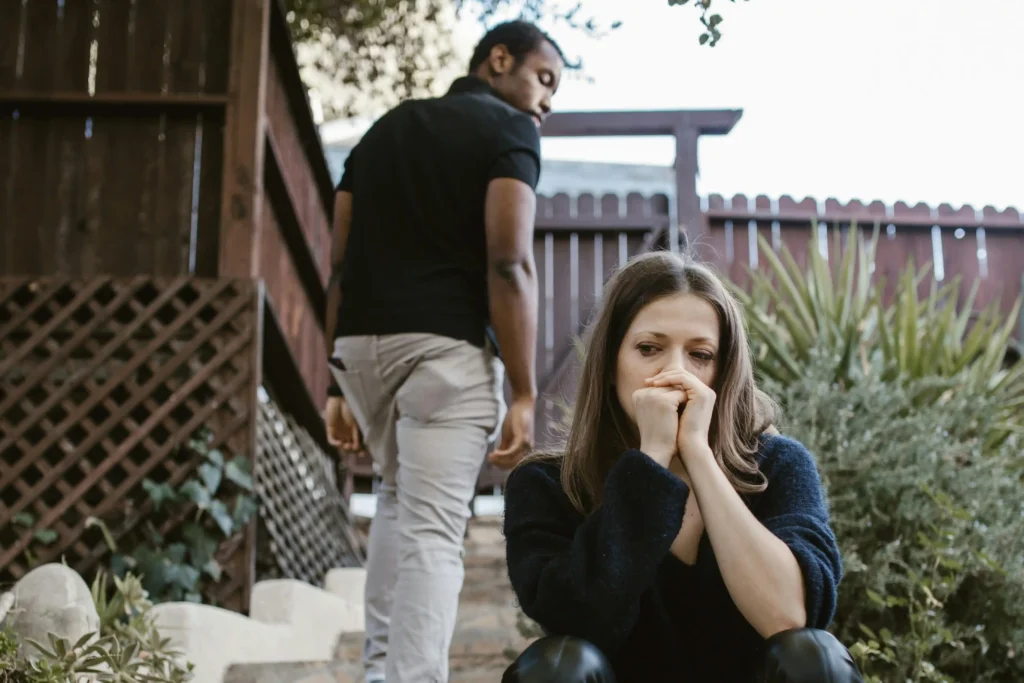
Planning ahead becomes uncomfortable for him, and he deflects conversations about upcoming events, vacations, or long-term goals that involve both of you.
He might respond with vague statements like “we’ll see” or “let’s talk about it later” when you bring up future activities.
You find yourself making plans alone because he won’t commit to events weeks or months in advance.
He avoids discussing holidays, anniversaries, or special occasions that require advance planning and emotional investment in your shared future.
When pressed for concrete plans, he becomes irritated or changes the subject entirely.
This avoidance stems from his uncertainty about whether he wants you in his future, making it difficult for him to commit to anything that assumes the relationship will continue.
His reluctance to plan ahead extends beyond major events to everyday activities.
He hesitates to commit to weekend plans, dinner reservations, or even simple activities that require him to envision spending time with you in the coming days or weeks.
3. Physical Intimacy Decreases Significantly

The frequency and quality of physical affection drop noticeably without explanation or discussion.
He initiates intimate moments less often, and when physical intimacy does occur, it feels routine or disconnected rather than passionate and meaningful.
Simple gestures of physical affection like holding hands, spontaneous hugs, or casual touching while watching TV become rare.
He seems to actively avoid situations that might lead to physical closeness, creating distance even during moments when you’re together.
When you initiate physical affection, his response feels obligatory rather than enthusiastic.
He might participate but without the warmth and engagement that characterized your physical relationship in the past.
This decrease in intimacy often reflects emotional distance rather than just physical disinterest.
When someone is emotionally checking out of a relationship, maintaining physical closeness becomes difficult because it requires vulnerability and connection they’re no longer willing to provide.
4. He Prioritizes Everything Else Over You

His schedule consistently puts work, friends, hobbies, and other activities ahead of spending quality time with you.
Plans with you become the first thing he cancels when other opportunities arise, and you feel like you’re always competing for his attention.
He makes decisions about his time without considering your feelings or availability.
Weekend plans, evening activities, and social events are arranged around everyone else’s schedule while yours becomes an afterthought.
When you express feeling neglected or ask for more time together, he becomes defensive or makes you feel guilty for having needs.
He might accuse you of being needy or clingy rather than acknowledging that relationships require time and attention to thrive.
This pattern shows that you’re no longer a priority in his life.
When someone values their relationship, they naturally want to spend time with their partner and consider their feelings when making decisions about how to spend their time.
5. He Becomes Emotionally Unavailable

Opening up about feelings, concerns, or important life events becomes increasingly difficult with him.
He shuts down during emotional conversations, changes the subject when things get serious, or responds with indifference to your attempts at deeper connection.
You notice he no longer shares his own struggles, dreams, or fears with you.
The emotional intimacy that once characterized your relationship has been replaced by surface-level interactions that avoid any real vulnerability or depth.
When you try to discuss relationship issues or express your feelings, he becomes defensive, dismissive, or completely unresponsive.
This emotional wall makes you feel like you’re talking to a stranger rather than someone who once cared deeply about your thoughts and feelings.
His emotional unavailability often serves as a protective mechanism.
By keeping you at arm’s length emotionally, he prepares himself for the eventual end of the relationship while avoiding the discomfort of dealing with feelings and conflicts.
6. He Stops Including You in His Social Life
Invitations to hang out with his friends, attend work events, or join family gatherings become less frequent or disappear entirely.
He starts making excuses for why you can’t or shouldn’t join him for social activities that you previously attended together.
You hear about events, parties, or gatherings through social media or mutual friends rather than from him directly.
He’s clearly maintaining an active social life but has chosen to exclude you from it, creating separate worlds that don’t overlap.
When you do attend social events together, he doesn’t include you in conversations or seems uncomfortable having you there.
He might even act differently around you when others are present, treating you more like a casual acquaintance than a romantic partner.
This exclusion from his social circle signals that he’s already mentally preparing for life without you.
When someone sees a future with their partner, they naturally want to integrate them into all aspects of their life rather than compartmentalizing the relationship.
7. He Shows Little Interest in Your Life
Questions about your day, work, friends, or interests become perfunctory rather than genuinely curious.
He might ask “how was your day” out of habit but doesn’t listen to or engage with your response in any meaningful way.
Important events in your life pass without acknowledgment or support from him.
Job interviews, family issues, health concerns, or personal achievements that would normally receive his attention and encouragement are met with indifference or minimal response.
He forgets details about things that matter to you, including important dates, ongoing situations, or people who are significant in your life.
This forgetfulness stems from a lack of attention rather than a poor memory, indicating that your life no longer holds his interest.
When someone cares about their partner, they naturally want to know about their experiences, support their goals, and celebrate their successes.
The absence of this interest shows that he’s already mentally distancing himself from your life and experiences.
8. Arguments Become More Frequent and Intense
Small disagreements escalate into major conflicts more easily than before, and he seems to pick fights over minor issues that wouldn’t have bothered him in the past.
These arguments often feel disproportionate to the actual problems being discussed.
During conflicts, he becomes more critical and less willing to compromise or find solutions.
Instead of working through problems together, he uses arguments as opportunities to express frustration about the relationship itself.
You notice that he seems almost relieved when arguments provide a reason to leave, take space, or avoid spending time together.
Conflicts become justification for distance rather than problems to solve together.
This pattern often indicates that he’s looking for reasons to validate his decision to end the relationship.
By creating or escalating conflicts, he builds a case in his mind for why the relationship isn’t working, making the eventual breakup feel more justified.
9. He Stops Showing Affection Through Words
Compliments, expressions of love, and verbal affirmations become rare or disappear completely.
He no longer tells you he loves you spontaneously or expresses appreciation for things you do for him or the relationship.
Sweet texts, encouraging messages, or random expressions of affection throughout the day stop coming.
The verbal intimacy that once made you feel valued and loved has been replaced by practical, surface-level communication.
When you express love or affection verbally, his responses become automatic and lack genuine feeling.
He might say “love you too” out of habit but without the warmth and sincerity that once characterized his expressions of love.
Verbal affection requires emotional investment and vulnerability.
When someone is checking out of a relationship, expressing love and appreciation feels inauthentic, so they naturally stop offering these verbal signs of affection and connection.
10. He Seems Relieved When You’re Apart
You notice that he appears more relaxed and happy when making plans that don’t include you or when circumstances require you to spend time apart.
Business trips, visits with friends, or separate social activities seem to energize rather than disappoint him.
When you return from time apart, he doesn’t express that he missed you or show enthusiasm about being reunited.
Instead, your return feels like an interruption to the peace and freedom he enjoyed while you were gone.
He starts suggesting separate activities more frequently, encouraging you to spend time with your friends or pursue interests that don’t involve him.
While healthy relationships include individual time, his enthusiasm for separation feels different from normal independence.
This relief when apart indicates that your presence has become more of a burden than a joy for him.
When someone loves their partner, they generally miss them during separations and feel happy about reuniting rather than relieved by distance.
11. He Avoids Serious Relationship Conversations
Discussions about the future of your relationship, problems that need addressing, or deeper emotional issues are consistently avoided or shut down.
He changes the subject, makes jokes, or finds excuses to leave when these conversations arise.
When you try to address concerns about your relationship, he dismisses your feelings or makes you feel like you’re overreacting.
He might say things like “everything is fine” or “you’re overthinking” without actually addressing the issues you’ve raised.
Important decisions about living situations, commitment levels, or relationship goals are postponed indefinitely.
He avoids making any choices that would require him to commit to the relationship’s future or acknowledge its current problems.
This avoidance often stems from his knowledge that honest conversation would reveal his true feelings about wanting to end the relationship.
Rather than having difficult discussions, he chooses to avoid them entirely while mentally preparing his exit strategy.
12. He Shows Interest in Other Women
You notice him paying more attention to other women when you’re out together, whether that’s through extended eye contact, flirtatious conversation, or body language that suggests attraction.
This behavior feels different from casual social interaction.
His social media activity includes increased interaction with other women through likes, comments, or messages that feel inappropriate for someone in a committed relationship.
You might discover conversations or connections that cross boundaries you thought were established.
He talks about other women in ways that make you uncomfortable, perhaps mentioning their attractiveness, accomplishments, or personality traits in contexts that feel like comparisons to you or expressions of interest.
When confronted about this behavior, he becomes defensive and might accuse you of being jealous or insecure rather than acknowledging that his actions are inappropriate for someone in a committed relationship.
13. He Stops Making Effort in the Relationship
The thoughtful gestures, surprises, and special efforts that once characterized your relationship disappear.
He no longer plans dates, brings you gifts, or does things specifically to make you happy or show that he cares.
Daily courtesies and considerations become rare.
He stops doing small things that show thoughtfulness, like asking if you need anything from the store, offering to help with tasks, or considering your preferences when making decisions.
Special occasions like birthdays, anniversaries, or holidays receive minimal effort or acknowledgment.
Events that once prompted celebration and special planning are now treated as ordinary days without significance.
When someone is invested in a relationship, they naturally want to make their partner happy and show love through actions.
The absence of effort indicates that he’s no longer motivated to invest energy in maintaining or improving your connection.
14. He Talks About Being Single or Past Relationships
References to single life, what he would do if he were alone, or how much easier things were before your relationship become more frequent in conversation.
These comments might seem casual but reveal his true thoughts about independence.
He brings up past relationships more often, sometimes comparing those experiences favorably to your current situation.
These comparisons make you feel like he’s questioning whether he made the right choice in being with you.
Jokes or comments about breaking up, being single, or “what if” scenarios regarding your relationship increase in frequency.
While he might frame these as humor, they often reveal underlying thoughts about ending the relationship.
This type of conversation shows that he’s mentally exploring life without you and perhaps romanticizing alternatives to your relationship.
When someone is committed to their partnership, they don’t regularly fantasize about or discuss alternatives.
15. He Directly States He’s Unhappy
Finally, the most obvious sign comes when he explicitly tells you that he’s not happy in the relationship, needs space, or is questioning whether you should continue together.
These direct statements require serious attention regardless of any explanations or backtracking that might follow.
He might express feeling trapped, suffocated, or unsure about your future together.
While these feelings can sometimes be worked through with communication and effort, they often indicate that he’s already made the decision to leave.
When someone reaches the point of verbally expressing dissatisfaction with the relationship, they’ve usually been contemplating ending it for some time.
These conversations often serve as the beginning of the end rather than opportunities for genuine resolution.
Take these direct expressions of unhappiness seriously rather than trying to convince him to feel differently.
When someone tells you they’re not happy, believe them and prepare yourself for the likelihood that the relationship may not survive these feelings.
Conclusion
Recognizing these signs helps you face reality with clarity and dignity.
Trust your instincts, protect your emotional well-being, and remember that the right person will choose you consistently.