
11 Signs Your Wife is Not Attracted To You
Recognizing changes in your wife’s attraction can feel painful, but understanding these signs helps you address underlying issues in your marriage.
While attraction naturally evolves over time, certain patterns may indicate deeper problems that require attention and effort from both partners.
1. Physical Intimacy Has Dramatically Decreased

You notice that physical touch, kissing, and intimate moments have become rare or feel obligatory rather than passionate.
What used to be natural expressions of attraction now seem forced or are avoided altogether by your wife.
The frequency of intimate encounters has dropped significantly without clear medical or circumstantial reasons.
When intimacy does occur, it feels more like a duty she’s fulfilling rather than something she desires or enjoys with you.
She seems disconnected during intimate moments, appearing distracted or going through the motions without genuine engagement.
The emotional connection that used to accompany physical intimacy feels absent or forced.
You find yourself initiating all physical contact, and her responses feel lukewarm or reluctant.
The spontaneous touches, kisses, and affectionate gestures that characterized your earlier relationship have largely disappeared from her side.
2. She Avoids Eye Contact During Conversations
During your discussions, she looks at her phone, focuses on other activities, or stares past you rather than maintaining natural eye contact.
This avoidance feels deliberate rather than coincidental or related to distractions. This contrast highlights the specific nature of her avoidance with you.
When you try to have serious or intimate conversations, she seems uncomfortable maintaining visual connection with you.
Her eyes dart away quickly when you catch her looking, suggesting discomfort with close emotional or physical proximity.
The warm, loving looks that used to pass between you have been replaced by neutral or distant expressions.
She no longer looks at you with the admiration, affection, or interest that characterized your earlier relationship.
You notice that she maintains better eye contact with friends, family members, or even strangers than she does with you during personal conversations.
3. She Shows Little Interest in Your Appearance or Effort
When you dress up, work out, or make efforts to look good, she rarely comments or seems to notice.
Her lack of acknowledgment feels particularly striking when you remember how she used to appreciate your appearance.
She doesn’t offer compliments about your looks, style, or physical improvements the way she once did.
Even significant changes like new clothes, haircuts, or fitness progress go unmentioned or receive only polite, brief acknowledgments.
Her responses to your efforts feel automatic or obligatory rather than genuine. This difference in attention feels particularly painful and telling.
When she does comment, it sounds more like social politeness than actual attraction or appreciation for your appearance.
You realize that she notices and compliments other people’s appearance or style more readily than she acknowledges your efforts to look good for her.
4. She Creates Physical Distance Between You
She sits farther away from you on the couch, chooses separate chairs instead of sharing space, or positions herself across the room during relaxed moments.
This physical spacing feels deliberate rather than coincidental. The natural cuddling and closeness that used to occur spontaneously no longer happens.
In bed, she maintains distance by staying on her side, avoiding casual touching, or creating barriers with pillows or blankets.
When walking together, she doesn’t hold your hand, link arms, or walk closely beside you like she used to.
She seems to prefer maintaining physical space even during activities that would naturally bring you together.
During social events, she mingles separately rather than staying near you, and she doesn’t seek you out for comfort or connection in crowded or unfamiliar situations where she once would have gravitated toward you.
5. Her Body Language Suggests Discomfort Around You

You notice that she crosses her arms, turns away, or creates subtle barriers with her posture when you’re together.
Her body language suggests she’s protecting herself or creating distance rather than being open and welcoming.
She seems to tense up when you approach or touch her unexpectedly. Her physical reactions suggest that your presence creates discomfort rather than pleasure or relaxation.
Her facial expressions appear strained or forced when she’s interacting with you, especially during moments that should be pleasant or romantic.
The natural ease and comfort she once showed around you has been replaced by visible tension.
You observe that her body language is more relaxed and open when she’s with other people than when she’s with you.
This contrast suggests that her physical discomfort is specifically related to your presence rather than general stress or mood.
6. She Seems Disinterested in Your Thoughts and Feelings
When you share your day, concerns, or exciting news, her responses feel distracted or perfunctory.
She goes through the motions of listening without showing genuine interest or engagement with what you’re saying.
She rarely asks follow-up questions about things that are important to you or remembers details from previous conversations.
Her lack of curiosity about your inner world suggests diminished emotional investment in your relationship.
During conflicts or emotional discussions, she seems more focused on ending the conversation than understanding your perspective or working through issues together.
Her priority appears to be avoiding engagement rather than connecting.
You notice that she shows more interest and engagement when other people share stories or concerns than when you do.
This selective attention suggests that her disinterest is specific to you rather than general emotional exhaustion.
7. She Criticizes Your Appearance or Habits More Frequently
Comments about your clothing choices, grooming habits, or physical appearance have become more frequent and less constructive.
These criticisms feel more like attacks than helpful suggestions from a caring partner. Her criticism affects your confidence and comfort in your own home.
She points out flaws or changes in your appearance that she previously overlooked or found endearing.
What once seemed acceptable or attractive to her now appears to irritate or displease her.
Her tone when discussing your appearance or habits has shifted from loving teasing to genuine criticism or disgust.
The playful banter that characterized your earlier relationship has been replaced by negative commentary.
You find yourself feeling self-conscious and defensive about your appearance or behavior because of her frequent negative feedback.
8. She Shows More Interest in Other Men
You notice that she pays attention to other men’s appearance, achievements, or personalities in ways that she no longer does with you.
Her comments about other men feel more enthusiastic or appreciative than anything she says about you.
She mentions attractive celebrities, coworkers, or acquaintances more frequently, sometimes comparing them favorably to you either directly or by implication.
These comparisons feel hurtful and suggest she’s looking elsewhere for qualities she finds appealing.
During social events, she seems more animated and engaged when talking with other men than when interacting with you.
Her energy and enthusiasm appear higher in these interactions than in your private conversations.
You catch her looking at other men with interest or admiration that you no longer see directed toward you.
This shift in attention feels particularly painful and suggests her attraction has moved elsewhere.
9. She Avoids Activities You Used to Enjoy Together
Date nights, shared hobbies, or special activities that you once enjoyed together now seem to hold no appeal for her.
She makes excuses to avoid these activities or seems bored and disengaged when she does participate.
She no longer suggests fun activities or romantic gestures like she used to.
The initiative for maintaining romance and connection in your relationship has fallen entirely to you, and even then, her participation feels reluctant.
When you do engage in previously enjoyable activities, she seems distracted or eager for them to end rather than savoring the time together.
The joy and connection these activities once brought to your relationship has disappeared.
She shows more enthusiasm for activities that don’t involve you, suggesting that her lack of interest is specific to shared experiences rather than general disinterest in fun or recreation.
10. Her Communication Has Become Purely Functional
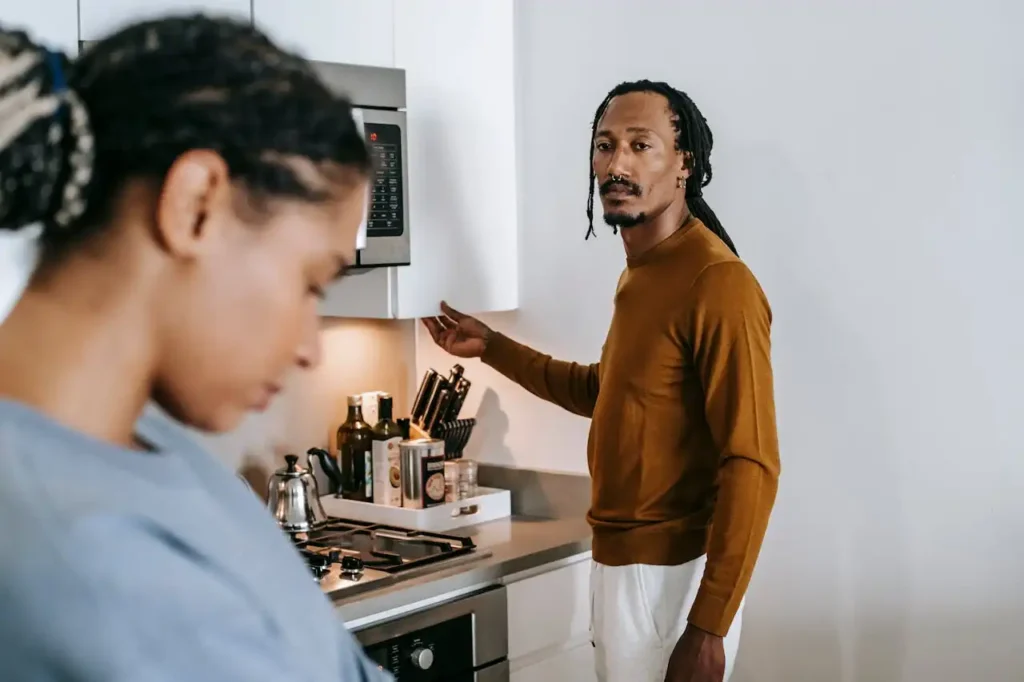
Your conversations revolve around logistics, schedules, and practical matters rather than emotional connection or sharing thoughts and feelings.
She treats you more like a roommate than a romantic partner in your daily interactions.
She rarely initiates conversations beyond what’s necessary for household management or family coordination.
The spontaneous, intimate talks that used to strengthen your bond have largely disappeared from your relationship.
When you try to engage in deeper or more personal conversations, she redirects to practical matters or finds reasons to end the discussion.
She seems to prefer maintaining emotional distance rather than connecting on a meaningful level.
Her responses to your attempts at romantic or playful communication feel flat or dismissive.
She doesn’t engage with your efforts to create emotional intimacy through conversation.
11. She Seems Happier When You’re Not Around
You notice that her mood and energy improve noticeably when you leave the house or when she has time away from you.
Her relief at your absence suggests that your presence has become a source of stress rather than joy.
She appears more relaxed, animated, and like her old self when she’s with friends, family, or engaged in activities that don’t involve you.
This contrast suggests that something about your relationship or presence is affecting her mood negatively.
When you return home, you can sense her energy shift downward or see her become more guarded and distant.
Your arrival seems to trigger negative emotions rather than happiness or relief.
She seems to look forward to time apart and shows little enthusiasm for your return when you’ve been away.
This pattern suggests she’s finding more satisfaction and comfort away from you than with you.
Understanding the Deeper Issues
These signs often indicate more than just lost physical attraction – they frequently reflect deeper relationship problems like emotional disconnection, unresolved conflicts, or changes in life circumstances that have affected your bond.
Attraction in marriage involves both physical and emotional components that influence each other.
Consider whether recent changes in your relationship dynamic, communication patterns, or life stressors might be contributing to these signs.
Sometimes what appears to be lost attraction is actually a response to feeling unheard, unappreciated, or emotionally disconnected from you.
Reflect on your own behavior and contributions to the relationship’s current state.
While you can’t control your wife’s feelings, you can examine whether changes in your own actions, attitude, or efforts might be affecting her attraction and connection to you.
Remember that attraction can be rebuilt in many cases when both partners are willing to address underlying issues and work together to restore their emotional and physical connection.
What These Signs Don’t Necessarily Mean
Not every sign listed here automatically means your wife is no longer attracted to you.
Life stress, health issues, hormonal changes, depression, or other factors can temporarily affect someone’s behavior and interest in physical or emotional intimacy.
Some changes in attraction are normal parts of long-term relationships and don’t necessarily indicate permanent problems.
The intense attraction of early relationships naturally evolves over time, and temporary dips can occur during challenging life phases.
These signs become concerning when they persist over extended periods and occur in combination with each other.
A single behavior or temporary change is different from a consistent pattern that suggests fundamental relationship problems.
It’s important not to jump to conclusions or assume the worst without communication and effort to understand what might be affecting your relationship’s dynamic.
Constructive Steps Forward
If you recognize several of these signs, consider having an honest, non-accusatory conversation with your wife about your concerns and desire to improve your relationship.
Focus on understanding her perspective and feelings rather than defending yourself or assigning blame.
Examine your own contributions to the relationship’s current state and consider areas where you might need to grow, change, or recommit to being the partner she fell in love with.
Self-reflection and personal improvement often play crucial roles in rebuilding attraction.
Consider couples counseling or therapy to help you both communicate more effectively and address underlying issues that might be affecting your connection.
Professional guidance can provide tools and insights that help rebuild intimacy and attraction.
Make intentional efforts to court your wife again, show appreciation for her, and prioritize your relationship in ways you might have neglected over time.
Sometimes rekindling attraction requires returning to behaviors and attitudes that created the original connection.
The Importance of Honest Communication
Before assuming these signs mean permanent loss of attraction, create opportunities for honest conversation about your relationship’s current state.
Your wife might be dealing with issues that affect her behavior but don’t necessarily reflect her fundamental feelings about you.
Ask direct but gentle questions about her feelings, needs, and concerns about your relationship.
Listen without becoming defensive and try to understand her perspective even if it’s difficult to hear.
Share your own feelings and observations in a way that invites dialogue rather than creating conflict.
Express your desire to work together to improve your connection rather than placing blame or making accusations.
Remember that rebuilding attraction and connection requires effort from both partners, but it often begins with one person taking the initiative to address problems and create positive change.
Conclusion
These signs often reflect deeper relationship issues beyond just attraction.
Open communication, self-reflection, and mutual effort can help rebuild connection and intimacy in many marriages.